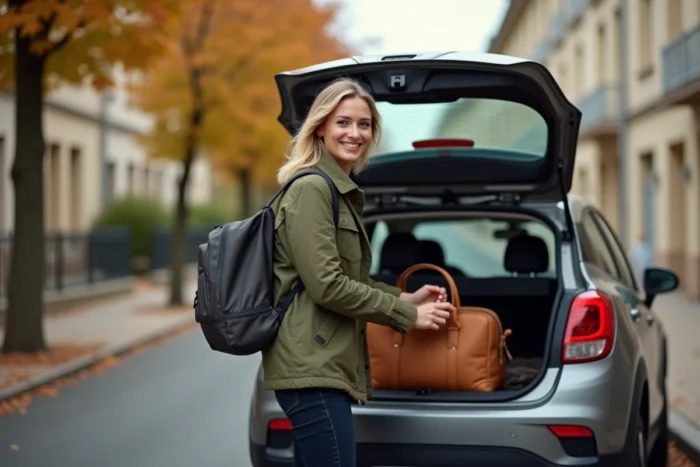
The difference between a profitable BlaBlaCar trip and one that wastes time lies in parameters that most drivers overlook: the choice of gas station, the setting of the pickup point, and the timing of the ad publication.
BlaBlaGas and fuel optimization on a BlaBlaCar trip
BlaBlaCar has launched BlaBlaGas, an interactive mapping of fuel prices along the carpooling route. The tool displays real-time prices from stations along the route, allowing the driver to plan their stop before departure rather than stopping randomly on the highway.
We recommend combining BlaBlaGas with route calculation to identify the cheapest station without significant detours. On a trip of several hundred kilometers, the difference between a highway station and a station in a commercial area just a few minutes from the exit remains substantial.
Knowing the main advantages of BlaBlaCar also involves mastering these additional costs, often underestimated in the calculation of the price per passenger.
A common mistake is to set the trip price without incorporating the actual fuel cost along the specific route. BlaBlaGas allows for recalculating this cost in advance and adjusting the fare offered to passengers accordingly.
Integrated negotiation: detours, luggage, and meeting points
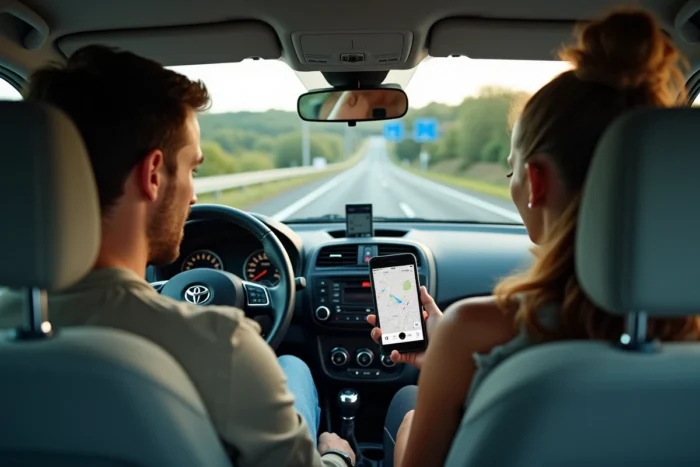
The negotiation feature in the BlaBlaCar messaging changes the dynamics of carpooling. A passenger can propose an additional fee before booking to request another pickup location or extra luggage space. The driver can accept, decline, or make a counter-offer directly in the app.
The additional fee is capped at 50% of the seat price. This cap regulates detour requests to prevent the trip from becoming unprofitable for the driver.
In practice, this mechanism benefits both parties:
- The driver who accepts a detour of a few kilometers receives a supplement that covers the extra fuel and time costs, without informal negotiation via message.
- The passenger gains access to a more convenient meeting point (peripheral station, highway exit, park-and-ride) instead of going to the city center.
- Requests for bulky luggage (folding bikes, sports equipment) find a clear pricing framework rather than an awkward discussion at loading time.
We observe that drivers who activate this feature fill their seats more quickly because they expand the geographical area of potential passengers without losing financially.
BlaBlaCar driver profile: levers that increase booking rates
A complete and verified profile generates more bookings than a minimalist profile. The platform highlights drivers whose identity, phone number, and email are certified.
The Super Driver status and its impact on visibility
The Super Driver badge rewards the highest-rated and most reliable drivers. It appears directly on the profile and increases the number of booking requests received. To obtain it, one must accumulate positive reviews and maintain a very low cancellation rate.
In concrete terms, a Super Driver appears higher in the search results for passengers. On a highly competitive route (Lyon-Marseille, Paris-Lille), this additional visibility makes the difference between a full vehicle and one with empty seats at departure.
Timing of ad publication
Publishing your trip several days before departure remains the most effective method to maximize filling. Passengers comparing offers prioritize booking trips that are already visible. An ad published the day before departure loses the majority of early bookings.
For daily commute trips, BlaBlaCar Daily operates on a different logic: the app automatically matches carpoolers on recurring routes, reducing the need for manual publication.
BlaBlaCar Daily and daily carpooling: profitability on short trips
BlaBlaCar Daily targets recurring trips (home-work, school, gym). Earnings per passenger range from 1.50 to 8 euros per trip, representing an estimated average saving of 130 euros per month for bi-daily carpooling on weekdays.
The app identifies carpoolers who are geographically close through a proximity filter. The driver does not need to publish each trip: the system detects matches on declared routes.
Some trips are partially or fully subsidized by local authorities or partner employers. Companies like Synergie have implemented mobility challenges with BlaBlaCar Daily to encourage carpooling among their employees. The sustainable mobility allowance, paid by the employer, can also cover part of the carpooling costs.
Passenger reviews and reputation management on BlaBlaCar
Reviews work both ways: passengers and drivers rate each other after each trip. A driver with regular positive reviews inspires trust, which accelerates bookings without promotional effort.
Responding to negative reviews with specific facts better protects the profile than silence. The BlaBlaCar community checks responses before booking, especially on long trips where the time spent together is significant.
The most underestimated factor remains punctuality. A driver who is consistently on time at the departure point accumulates reviews that mention this detail, and this signal weighs heavily in the booking decision of regular passengers.
The profitability of a BlaBlaCar account builds over time. An active profile for several months, with regular trips and a consistent review history, converts better than a new account offering the same trip at the same price. It is this reputation mechanism that distinguishes occasional carpooling from a true cost-sharing strategy.