Contacting a radio station is not just about dialing a switchboard number. Depending on whether the request concerns a show, a mediation service, an artistic application, or a regulatory question, the contact person and channel differ. Identifying the right entry point before writing or calling avoids unnecessary follow-ups and speeds up the processing of the message.
Which contact person to choose based on the reason for contact
The first step is to clarify the nature of the request. A radio station is not a monolithic block: it includes a newsroom, a programming department, a technical service, sometimes a mediator, and often a team dedicated to partnerships or communication.
The reason determines the channel much more than the name of the station. To respond to content broadcast on air, the mediator (when it exists, as at Radio France) is the right recipient. To propose a musical title, it is the artistic director or the programmer that should be targeted. To report a reception or frequency issue, the technical service or ANFR (National Frequency Agency) takes over.
A guide that centralizes these distinctions helps save time, and the information on Wiki FR precisely covers the contact details and circuits suited to each situation.
Contact by phone, email, or social media: each channel has its rules
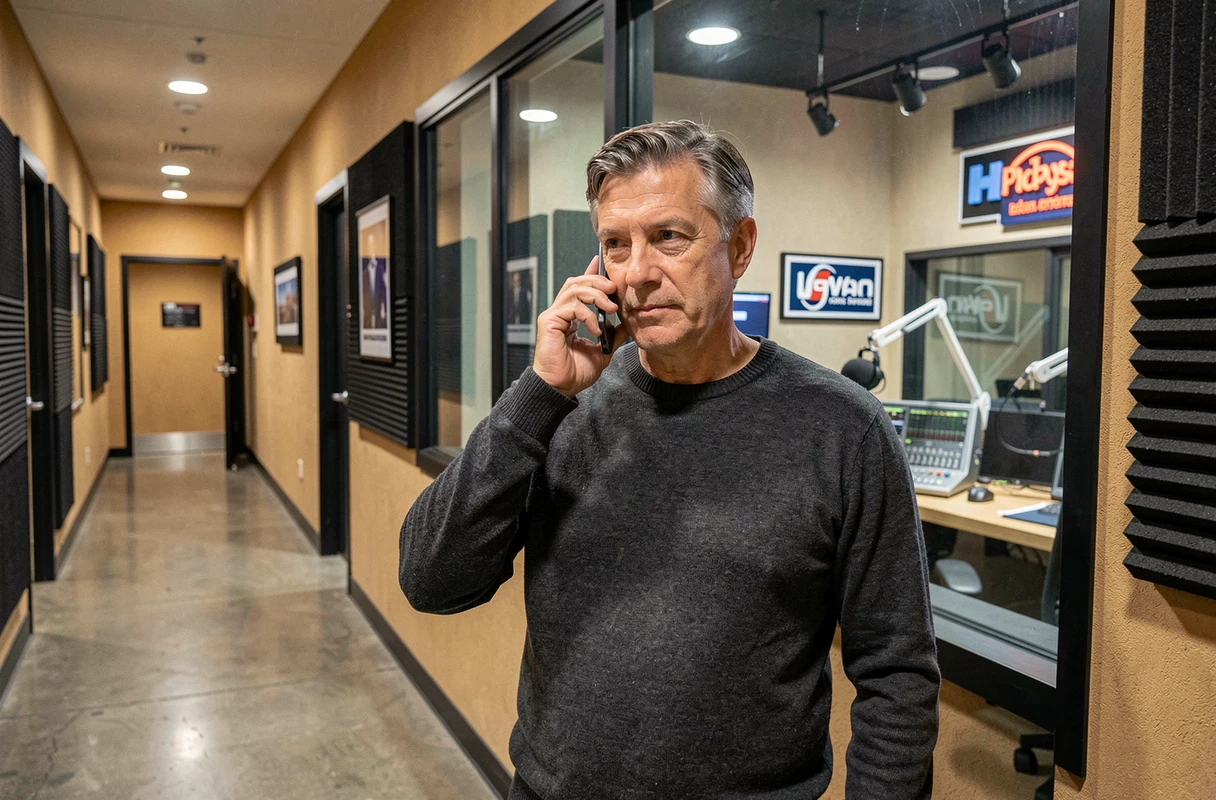
The phone remains the most direct means for radios that maintain an open switchboard. At Radio France, the general switchboard answers during business hours on weekdays. Commercial radios like RTL or RMC also keep dedicated lines for listeners, especially for interactive shows.
Email, on the other hand, offers an advantage of traceability. A written message addressed to the right person (newsroom, mediation, press service) leaves a record and can be redirected internally. Most stations publish generic addresses on their website, but a personalized email with a clear subject line gets a better response rate than a generic form.
The shift towards social media has changed the habits of several stations. Some radios, like Chérie FM, no longer highlight a chat module on their site and direct real-time exchanges to Instagram, Facebook, or TikTok. For a listener who wants a quick response to a simple question, a private message on the station’s official account may work faster than a call to the switchboard.
- Phone: suitable for live participation (games, dedications, on-air reactions) and urgent requests.
- Email: preferable for formal requests (mediation, press, partnership) that require written follow-up.
- Social media: effective for short questions, listener feedback, and informal contact with hosts.
Local and community radios: often a more direct access
Large national stations centralize their contacts behind switchboards and forms. Local and community radios operate differently. Several regional stations display not only a phone number and an email but also information on membership or volunteer participation.
Contact can come through engagement in the life of the station, not just through a one-off call. Joining the association that runs a local radio opens direct access to the team, programming meetings, and sometimes even to the airwaves. This is a lever that traditional directories do not mention.
To identify a community radio station close to home, the Arcom website publishes a directory of authorized operators, classified by geographical area. This document lists the stations with their frequency, category (community, commercial, thematic), and declared contact details.
Artists and professionals: targeting the right contact person in the station

Sending a title to a radio station without knowing who to address it to is like posting a letter without a recipient. The practice that is gaining traction among emerging artists relies on very targeted outreach, with an identified contact person and a specific format.
The music programmer (or artistic director) is the person who decides on rotations. Some French web radios accept proposals from independent artists via dedicated forms or direct emails. National networks, on the other hand, often go through promoters or labels.
For communication professionals or press agents, the radio’s press service is the entry point. Radio France, for example, has a separate press area distinct from general contact. Confusing the two circuits slows down the processing of the request.
- Identify the programmer by name (LinkedIn, station website, show credits).
- Send a short email with a listening link, not a heavy attachment.
- Follow up only once after one to two weeks if the station has not responded.
- Prefer web radios and community radios for a first broadcast opportunity.
Arcom and mediation: recourse in case of disputes with a radio
When direct contact with the station is not enough, two complementary avenues exist. The mediator handles editorial disputes (factual errors, ethical breaches, right of reply). At Radio France, the antenna mediator receives messages via a dedicated form, separate from general contact.
Arcom (Regulatory Authority for Audiovisual and Digital Communication) intervenes on another level: compliance with regulatory obligations, pluralism, advertising, protection of minors. Its website offers a “Report to us” form to signal a breach observed on air. This is not a customer service, but a regulatory body that investigates complaints based on the law.
Differentiating these two levels avoids overloading the wrong channel. A disagreement over the treatment of news falls under the mediator’s purview. A presumed violation of broadcasting rules falls under Arcom’s jurisdiction.
The common thread among all these approaches remains the precision of the initial message. Regardless of the chosen channel, a contact that clearly identifies its reason, its contact person, and the expected outcome has a much higher chance of success than a vague message sent to a generic address.