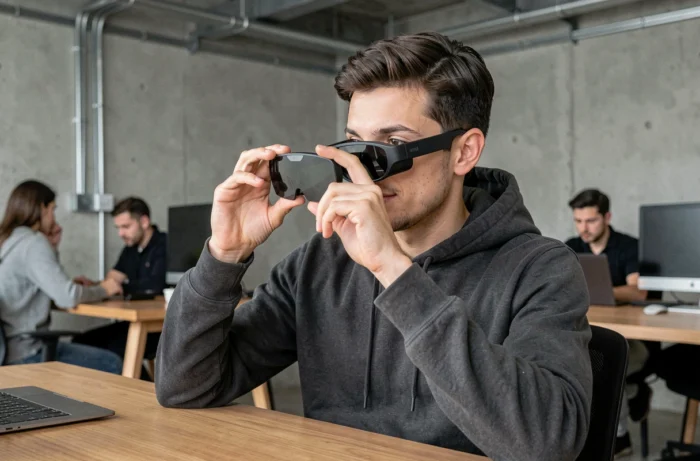
Foldable smartphones, AI-powered smart glasses, portable PC consoles, new European regulations on repair and AI: this year’s geek and high-tech trends are measured as much in shipment volumes as in lines of regulatory text. Which segments are truly progressing, and which are stagnating despite media buzz?
AI Glasses, Portable Consoles, and Foldable Smartphones: Market Dynamics Overview
The trajectories diverge significantly from one segment to another. The table below gathers the available data for the most discussed categories this year.
| Segment | Observed Dynamics | Key Fact |
|---|---|---|
| AI Smart Glasses | Very strong growth in shipments (confirmed by IDC and Counterpoint) | Shift towards models without integrated screens, hands-free usage |
| Portable PC Consoles (handhelds) | Still a niche market, in consolidation (decline in shipments in 2024 before expected rebound), strong concentration on one player | Multiplication of references from several manufacturers |
| VR Headsets | Marked decline in sales | VR shipments are declining while AI glasses are progressing strongly |
| Foldable Smartphones | Renewal of ranges (Samsung Galaxy Z Fold7, Google Pixel Fold) | Confirmed premium positioning |
The clearest contrast concerns smart glasses and VR headsets. Buyers are turning to lightweight objects that can be used daily, rather than immersive headsets reserved for occasional use in the living room.
Geek culture enthusiasts, gadget lovers, and tech newcomers will find on littlegeek.fr a selection that reflects this shift towards more discreet and versatile connected products.

Smart Glasses and Artificial Intelligence: Why the Segment is Exploding
Reports from Counterpoint and IDC confirm very strong growth in shipments of AI glasses. This is not a passing fad: several structural factors support this acceleration.
- The gradual abandonment of the integrated screen (display-less models) reduces weight, price, and manufacturing complexity, significantly broadening the potential buyer base.
- Hands-free use cases (real-time translation, voice note-taking, audio GPS navigation) meet concrete everyday needs, while VR headsets remain associated with entertainment and technological demonstration.
- Meta (Ray-Ban), Xiaomi, Rokid, Xreal, and Huawei are multiplying references, structuring a competitive ecosystem that drives prices down and innovation up.
In contrast, VR headsets are experiencing a collapse in sales during the same period. The market clearly favors: daily portability outweighs occasional immersion.
IFA 2026 as a Barometer
IFA 2026 in Berlin illustrated this shift. AI glasses, humanoid robots, and connected home devices occupied central locations. Virtual reality, on the other hand, was relegated to the background. This shift in the hierarchy of booths reflects a sustainable reorientation of industrial investments.
Portable PC Consoles: A Niche Segment in Consolidation Phase
The handheld gaming PC market remains concentrated. Shipments declined in 2024 before an expected rebound, and one player dominates sales. Speaking of direct competition with home consoles would be premature.
Competition among manufacturers is intensifying nonetheless. The handheld market has not yet found its dominant format, oscillating between different architectures and pricing strategies. The Steam Deck paved the way. Asus (ROG Ally X) and Lenovo are increasing competitive pressure, but the installed base remains modest compared to traditional consoles.
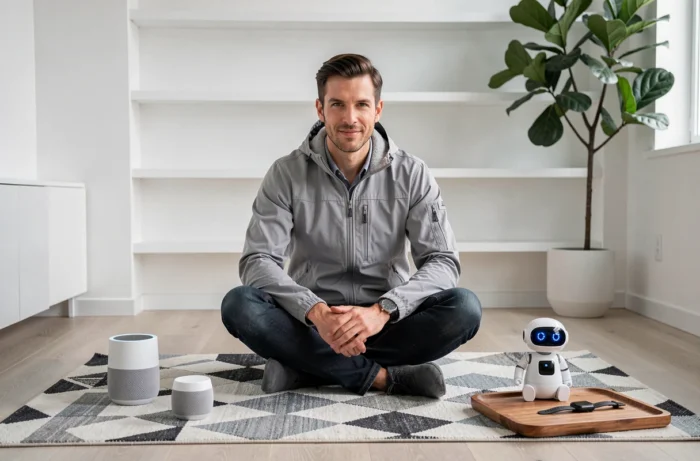
European Regulation: Right to Repair and AI Act Change the Game for Tech Products
Two European texts that came into effect this year are significantly altering the framework for manufacturers and consumers of high-tech products.
Right to Repair Directive: Repair Becomes Mandatory
The European “Right to Repair” directive came into effect at the end of July 2026. It imposes on manufacturers, for certain categories of products (smartphones, tablets, screens, vacuum cleaners, servers), a repair obligation when technically feasible. Access to spare parts and repair information becomes a consumer right.
The consequence directly affects the design of devices. Products whose architecture makes repair impossible or prohibitively expensive will need to be rethought. This is a change in industrial logic, not a marginal adjustment.
AI Act: Mandatory Transparency for Consumer AIs
The European AI Act entered into effective application in August 2026 for transparency obligations and general-purpose AI systems. Conversational assistants, AI-generated content, and services accessible to European users must now comply with specific transparency requirements.
The Digital Omnibus on AI has postponed certain obligations related to “high-risk” systems, but the general framework is operational. In practice, this means that any content produced by an AI must be identified as such in the services used daily.
Smartphones and Prices: The Upward Trend is Confirmed
The renewal of flagship ranges (iPhone, Samsung Galaxy, Google Pixel) is accompanied by a clear pricing trend. Samsung maintains a premium positioning on the Galaxy Z Fold7. New generations generally show higher prices compared to the models they replace.
This price inflation forces buyers to compare generations more carefully. The price gaps between generations often exceed the gaps in actual performance, making tech product comparisons and promotional offers crucial in the purchasing decision.
The implementation of the right to repair could impact this dynamic in the medium term. A repairable device retains a higher residual value, which alters the calculation between buying new and keeping the existing one. This year’s geek and high-tech trends are reflected as much in regulatory texts as in product launches, redefining what it means to own, use, and repair a technological object.